United Nations Human Rights Council (UNHRC)
Defending Human Rights Amid Armed ConflictThe United Nations Human Rights Council (UNHRC) at KTMUN provides delegates with a platform to examine the protection of fundamental human rights during armed conflicts. Delegates will represent different nations and deliberate on how the international community can respond when warfare threatens civilian lives, restricts humanitarian assistance, and leads to serious violations of international law.
Armed conflicts around the world continue to expose civilians to displacement, violence, deprivation, and the destruction of essential infrastructure. Humanitarian organisations often face restrictions while attempting to provide food, shelter, medical assistance, and protection to affected populations.
Through debate, negotiation, and resolution drafting, delegates will explore how accountability can be strengthened, civilians can be protected, and humanitarian access can be ensured without disregarding national sovereignty and international legal frameworks. The committee will require participants to balance diplomatic interests with the urgent need to uphold human dignity during conflict.
Committee Agenda
Deliberation on the Protection of Human Rights in Armed Conflicts: Ensuring Accountability, Civilian Protection, and Humanitarian Access in Contemporary Conflicts


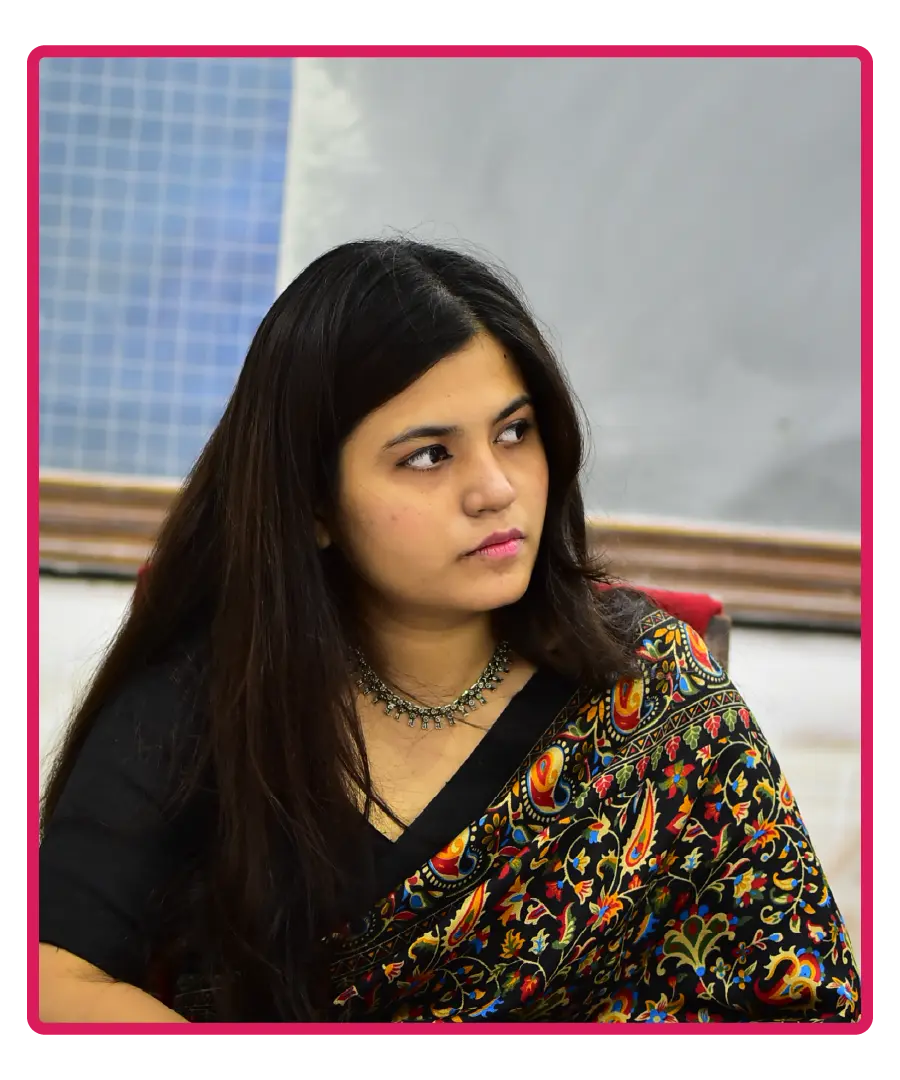
Ms. Aditi Khuntia
President
A Gold Medalist in M.A. History from Ravenshaw University, Aditi Khuntia has been part of the circuit since 2015 and has served on Executive Boards at more than 40 conferences. Her experience is strongest across humanitarian and Indian committees, where she brings academic depth, clarity, and seasoned leadership to the dais.
She has presented papers at national and international conferences on Odisha’s civilizational heritage and indigenous nationalism. Formerly associated with Shailabala Women’s College, she is currently with Ravenshaw University’s Department of History and has also worked as a content creator and educator at TBW Widyakar. Her work reflects scholarship.
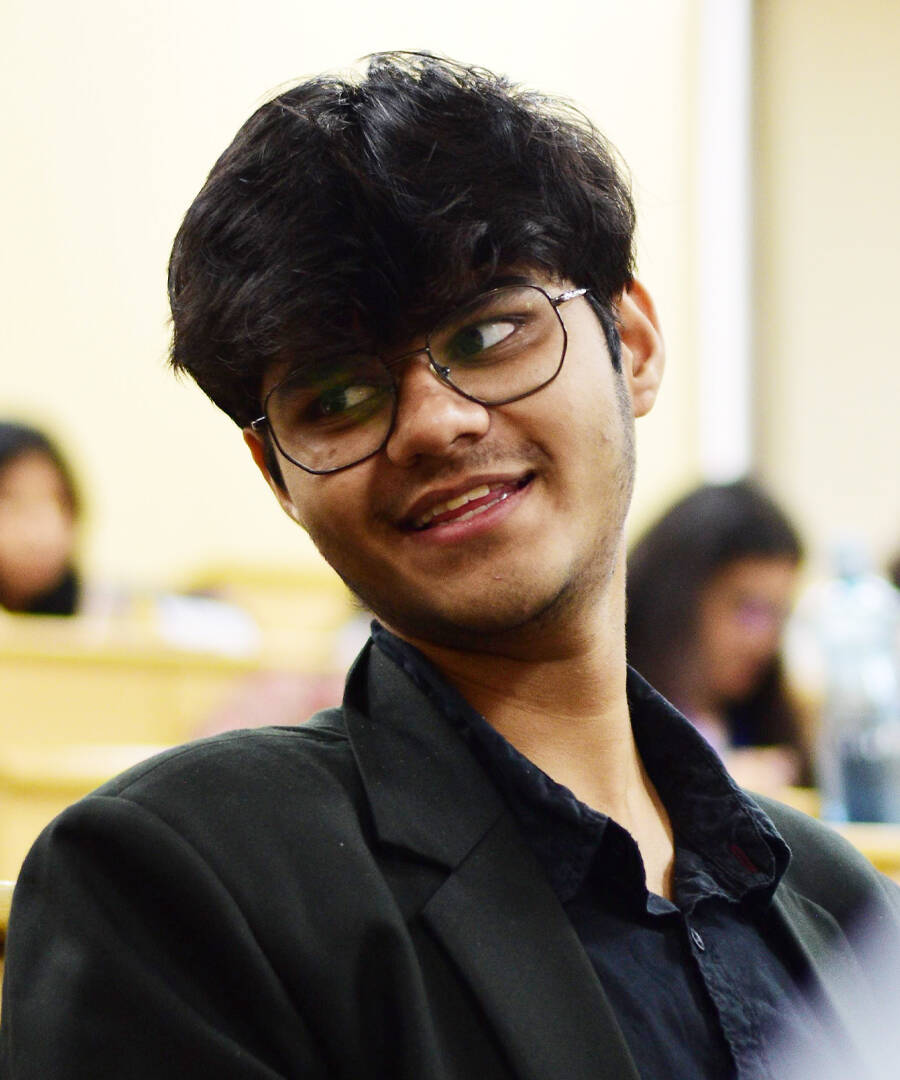
Mr. Daksh Jain
Vice President
Daksh Jain is pursuing B.Tech in Computer Science Engineering at KIIT University and has built experience across human rights, economic policy, technology governance, and international affairs. His MUN journey includes multiple Best Delegate, High Commendation, and Special Mention awards, alongside Executive Board roles including Vice President of UNHRC at XIMUN 2026 and Vice-Chairperson at Loyola MUN 2026.
Known for preparation, structured argumentation, and adaptability, Daksh believes diplomacy begins with listening and leadership with understanding. His approach focuses on factual discourse, solution-oriented debate, and creating a professional, inclusive committee where every delegate is encouraged to engage, contribute, learn, and grow confidently.
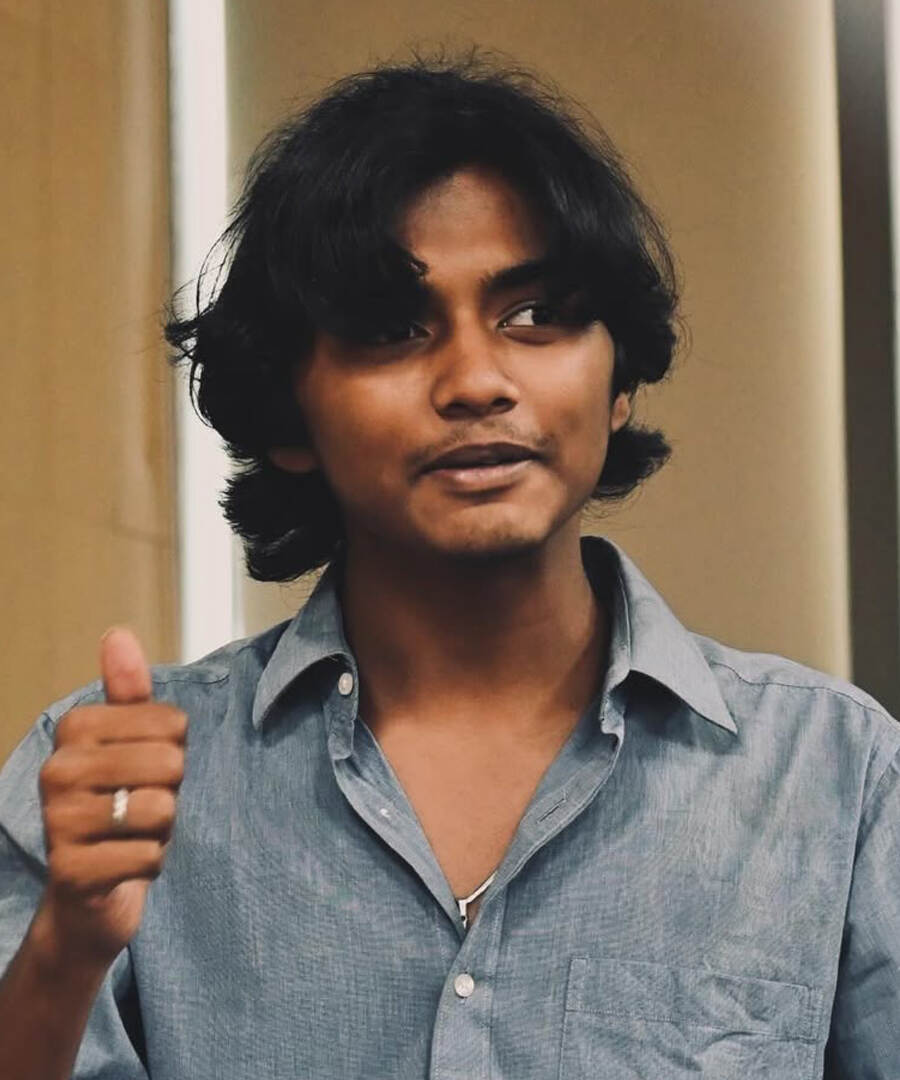
Mr. Piyush Swain
Vice President
Piyush Swain, known across the circuit as Mihir, has been part of the Odisha Model United Nations community for more than three years as both a delegate and Executive Board member. His committee experience ranges from Security Council simulations to the World Health Assembly, where he has developed an approach centred on technical detail and substance.
As an Executive Board member, he has facilitated sessions and built structural roadmaps guiding debate from opening speeches to resolution. He is pursuing a B.A. in Economics and Commerce at KIIT and works as a Project Associate at a creative agency in Bhubaneswar today.
Member States Represented
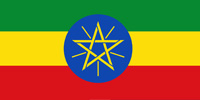
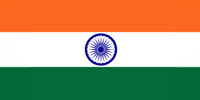
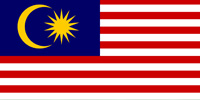
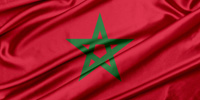
The following nations will be represented in the UNHRC simulation at KTMUN:
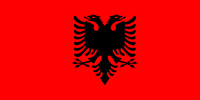
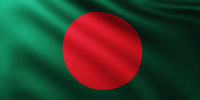


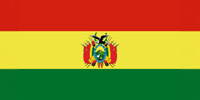

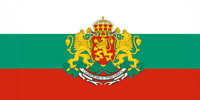
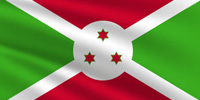
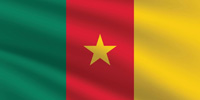




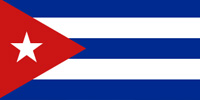

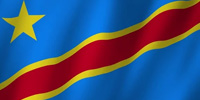






What to Expect as a Delegate
- Human-Rights Deliberation: Examine the humanitarian consequences of contemporary armed conflicts.
- Diplomatic Negotiation: Balance national interests, sovereignty, and international responsibility.
- Policy and Resolution Drafting: Develop frameworks for civilian protection, humanitarian assistance, and accountability.
Why Choose UNHRC ?
If you are passionate about justice, equality, and global peace, the UNHRC is the perfect committee for you. This is your chance to test your abilities as a policymaker, diplomat, and advocate for universal human rights.